

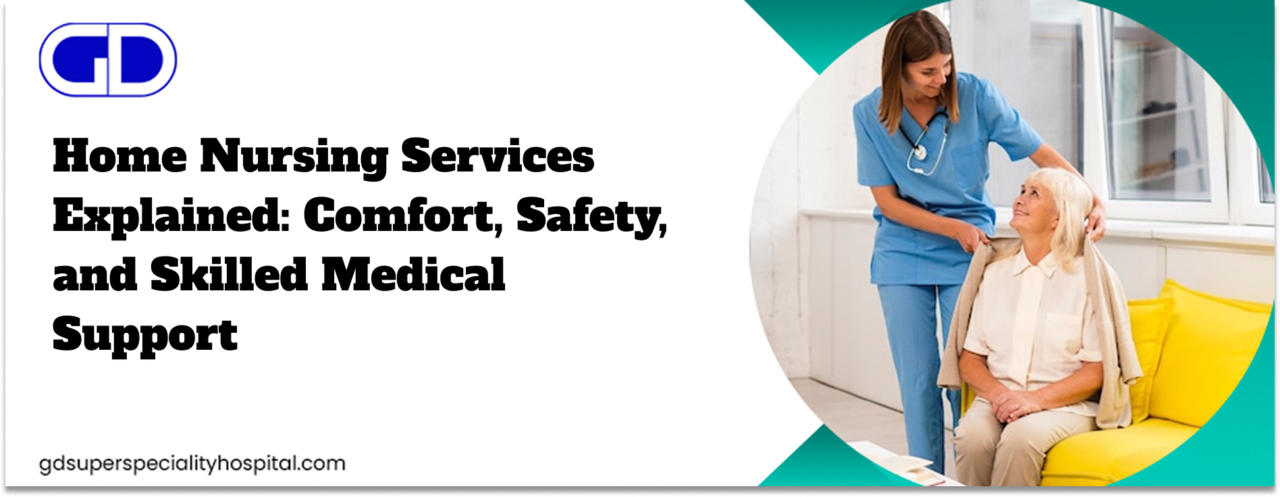
Healthcare needs do not always end at hospital discharge. In many cases, recovery, monitoring, and daily support continue long after a patient returns home. This is where home nursing services play a critical role. They bridge the gap between hospital care and independent living by bringing trained medical support into a familiar environment. As a result, patients feel more relaxed, families feel reassured, and outcomes often improve.
In today’s healthcare landscape, people are looking for care that is both professional and personal. Home-based medical support meets this need without compromising safety or quality.
Understanding Care at Home in a Medical Context
Medical care at home is not limited to basic assistance. It involves structured clinical support delivered by qualified nurses and caregivers. These professionals follow doctor-approved care plans and track progress regularly. Furthermore, they work closely with families to ensure continuity of care.
Unlike casual caregiving, this model focuses on health outcomes. It includes routine monitoring, early detection of complications, and timely interventions. Consequently, patients avoid unnecessary hospital visits and recover in a calmer setting.
Home Nursing Services and the Comfort Advantage
One of the strongest benefits of home nursing services is comfort. Healing often improves when patients remain in their own surroundings. Familiar routines reduce anxiety and promote emotional stability.
Comfort also affects sleep, appetite, and cooperation with treatment. For elderly patients, especially, staying at home reduces confusion and stress. Moreover, caregivers can tailor routines to personal habits rather than fixed institutional schedules. This personalised approach supports dignity and independence.
Safety Measures That Protect Patients at Home
Safety is a common concern when medical care moves outside a hospital. However, home nursing services are designed with strict protocols. Nurses are trained to maintain hygiene standards, prevent infections, and handle emergencies.
They also assess the home environment. This includes identifying fall risks, ensuring safe medication storage, and guiding families on proper equipment use. Furthermore, vital signs are monitored consistently, which allows early identification of health changes. Consequently, small issues are addressed before they become serious problems.
Skilled Medical Support Beyond Basic Care
Clinical expertise defines the true value of home nursing services. Nurses provide wound care, injections, catheter care, and post-surgical monitoring. They also manage chronic conditions such as diabetes, heart disease, and respiratory disorders.
In addition, rehabilitation support may be included. Physical mobility exercises, speech therapy follow-ups, and medication adjustments are handled with precision. Specifically, this level of skill ensures that home care remains medically sound, not just convenient.
When a Home Patient Care Service Is the Right Choice
A home patient care service is especially useful during recovery phases. Patients discharged after surgery often need short-term nursing support. This reduces the risk of complications and supports faster healing.
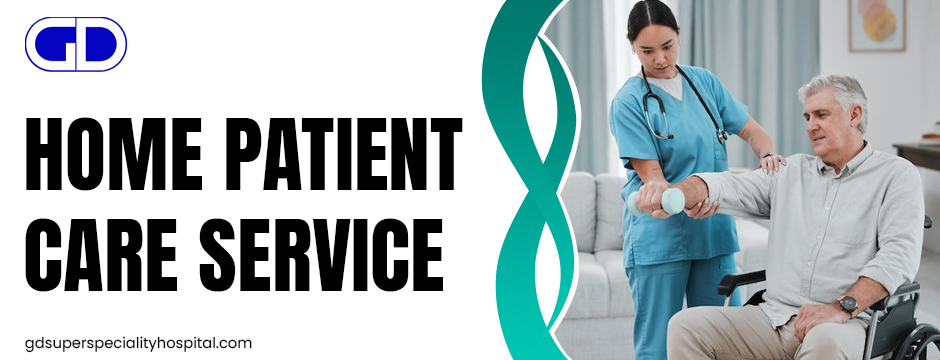
It is also effective for individuals managing long-term illnesses. Regular monitoring helps maintain stability and prevents sudden health setbacks. Furthermore, families benefit from professional guidance, which builds confidence in daily care routines.
Supporting Elderly Independence and Dignity
Age-related health needs are complex. Many seniors require assistance without losing their sense of independence. A structured home patient care service meets this balance effectively.
Care plans are adjusted to physical and cognitive abilities. Memory support, mobility assistance, and routine health checks are handled with sensitivity. As a result, older adults remain engaged in daily life while receiving the support they need. This approach also reduces caregiver burnout within families.
Comparing Home-Based Care with Extended Hospital Stays
Extended hospital stays increase costs and expose patients to higher infection risks. In contrast, home nursing services provide focused care without unnecessary clinical exposure. Patients receive attention tailored to their condition rather than shared resources.
Hospitals remain essential for acute treatment. However, once stability is achieved, home care becomes a practical next step. It ensures medical oversight continues while allowing patients to regain normalcy.
How Care Plans Are Designed and Managed
Every patient’s condition is different. Effective care begins with assessment. Nurses review medical history, current needs, and doctor recommendations. Next, they create a structured plan with clear goals.
This plan is reviewed regularly. Adjustments are made based on progress and feedback. Moreover, communication between healthcare professionals and families remains constant. This transparency builds trust and improves treatment adherence.
The Role of Families in Home-Based Care
Family involvement is a key advantage of home nursing services. Relatives gain direct insight into care routines and medical needs. Nurses educate them on warning signs, medication timing, and mobility support.
This shared responsibility strengthens outcomes. Families feel empowered rather than overwhelmed. At the same time, professional supervision ensures that care standards remain high and consistent.
Choosing a Reliable Home Patient Care Service
Selecting the right provider requires attention to experience and training. Qualified staff, clear protocols, and emergency readiness are essential. A dependable home patient care service will always prioritise patient safety and clear communication.
It is also important to look for flexibility. Health needs change over time. Providers should be able to adjust care levels without disruption.
Trusted Care That Feels Like Home
We deliver professional care that continues beyond hospital walls. With experienced nurses, structured care plans, and strict safety protocols, we support recovery, chronic care, and elderly needs at home. Our team focuses on comfort, dignity, and clinical accuracy. We coordinate closely with doctors, guide families, and monitor progress consistently.
By combining modern facilities with compassionate expertise, we ensure patients receive reliable, personalised home nursing support that promotes faster recovery and long-term well-being. Every step is designed around safety and outcomes.
In Conclusion: Care That Respects Health and Humanity
Healthcare works best when it respects both medical needs and human comfort. Home nursing services offer this balance by combining clinical skill with personal attention. They support recovery, protect safety, and promote independence across different age groups.
For families seeking trusted home-based medical care, GD Super Speciality Hospital offers professionally managed nursing support with a patient-first approach. Reach out to learn how expert care can continue beyond hospital walls.
FAQs
- What do home nursing services include?
Home nursing services include professional medical care provided at home by trained nurses. This covers medication management, wound care, vital sign monitoring, post-surgical support, and assistance with daily activities. Care plans are designed based on medical needs and doctor recommendations to ensure safe recovery and ongoing health support.
- Who can benefit from home nursing care?
Patients recovering after surgery, individuals with chronic illnesses, and elderly people needing daily medical supervision benefit the most. Home care is also helpful for patients who prefer comfort, privacy, and personalised attention instead of long hospital stays.
- How is patient safety ensured at home?
Safety is maintained through trained nursing staff, hygiene protocols, regular health monitoring, and home environment assessments. Nurses identify risks early, manage medications correctly, and respond quickly to health changes, reducing complications and hospital readmissions.
- How does a home patient care service support families?
A home patient care service guides families on daily care routines, warning signs, and medication schedules. This reduces stress, builds confidence, and ensures patients receive consistent, medically supervised care at home.