

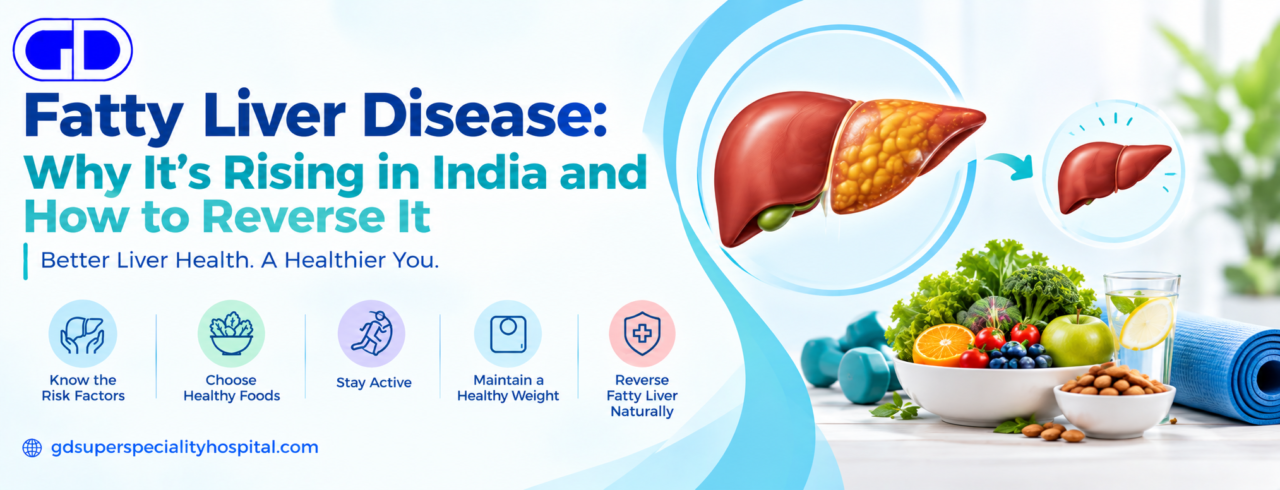
Fatty liver disease has become more prevalent in India due to an increasing number of obese individuals, type 2 diabetes, insulin resistance, improper dietary habits, and a lack of exercise. People often do not experience any symptoms during the initial phases of fatty liver disease; hence, they remain unaware of the condition till it is discovered through blood work or imaging studies of the abdomen.
However, the positive aspect of this issue is that early-stage fatty liver can actually be reversed. This can be done without going for detoxification or consuming certain “liver cleansing” foods.
Why is fatty liver disease rising in India?
The increasing load has close ties to lifestyle alterations. Sedentary occupations, lack of physical exercise, high-calorie foods, beverages with sugar, processed carbs, and disrupted sleeping schedules may lead to metabolic disorders. Metabolic dysfunction-associated steatotic liver disease (MASLD) is the current medical term for fatty liver disease associated with metabolic risk factors. Alcohol-related liver disease and other causes of liver fat are assessed separately, although more than one cause can coexist.
Several factors can increase the risk:
- Abdominal obesity
- Insulin resistance
- Type 2 diabetes
- High triglycerides or abnormal cholesterol
- Physical inactivity
- Eating patterns rich in added sugars and highly processed carbohydrates
- Poor sleep and chronic stress
How do diet and inactivity affect the liver?
If the body receives too many calories, it will store these excess calories as fat. Insulin resistance can make changes to the metabolism of fats and glucose in the body. This can cause an accumulation of fat in the liver cells.
Regular consumption of fried foods, sugary foods, sweet drinks, refined flour, and processed foods makes it harder to maintain body weight and proper glucose levels in the blood.
It does not mean that you have to treat every single food as harmful to the liver.
What are the fatty liver symptoms?
Most people with early liver steatosis have no obvious symptoms. When present, symptoms are generally subtle and may resemble those of many other health conditions.
Possible fatty liver symptoms include:
- Persistent tiredness or fatigue
- General weakness
- Mild discomfort in the upper-right abdomen
- Unintentional weight loss in some cases
These symptoms do not confirm a liver disorder. Several other conditions can cause similar complaints.
Advanced liver disease can produce more concerning signs. These include:
- Yellow skin or eyes
- Abdominal swelling caused by fluid accumulation
- Swelling of the legs or ankles
- Easy bruising or bleeding
- Dark urine or unusually pale stools
- Persistent itching
- Confusion or changes in mental alertness
These findings may indicate significant liver dysfunction or complications of cirrhosis. They require prompt medical assessment.
How is fatty liver diagnosed?
The presence of fat can be detected through an ultrasound scan. An ultrasound can identify signs of fat accumulation, but it cannot reliably determine the degree of liver inflammation or scarring. Depending on the person’s risk factors and test results, a doctor may recommend additional blood-based risk scores or liver stiffness assessment, such as transient elastography.
A comprehensive fatty liver disease evaluation may include:
- Medical history and examination: This identifies diabetes, obesity, alcohol intake, medications, and other relevant risks.
- Blood tests: Liver enzymes and metabolic tests can provide useful information.
- Ultrasound or other imaging: These can help identify steatosis and structural changes.
- Fibrosis assessment: Non-invasive scores or tests such as transient elastography can help estimate the risk of liver scarring.
This distinction matters. Simple steatosis and advanced fibrosis do not carry the same long-term risk.
Can fatty liver disease be reversed?
Early-stage fatty liver disease can often improve with sustained lifestyle changes and appropriate medical management. For people who are overweight, gradual weight loss may reduce liver fat. Greater sustained weight loss may also improve liver inflammation and, in some cases, fibrosis. However, the results vary between individuals, and advanced liver scarring requires specialist assessment and follow-up.
The most important steps are gradual weight loss when appropriate, regular exercise, a balanced diet, and control of associated conditions such as diabetes and high cholesterol.
The target should be realistic rather than extreme.
1. Lose weight gradually
For people who are overweight, even modest weight reduction can lower liver fat. Losing around 3% to 5% of body weight may reduce steatosis, while greater weight loss, often around 7% to 10%, can provide additional benefits for liver inflammation and fibrosis.
Avoid crash diets.
A sustainable calorie deficit, adequate protein, nutritious foods, and regular activity are more useful for long-term results.
2. Exercise consistently
Aim for at least 150 minutes of moderate physical activity each week, unless a healthcare professional has advised otherwise.
Moderate physical activities such as brisk walking, bicycling, and swimming may prove effective in your case. Resistance exercise is another means of improving muscle strength and metabolic fitness.
It is not always necessary for you to conduct your entire routine in one sitting. Taking breaks from prolonged sitting times and including small walk sessions may help.
3. Improve the quality of your diet
There is no mandatory “fatty liver diet.” Instead, focus on an eating pattern that supports healthy body weight and metabolic function.
A Mediterranean-style pattern is one practical option. It emphasises:
- Vegetables and whole fruits
- Whole grains
- Pulses and legumes
- Nuts and seeds
- Fish and other lean protein sources
- Unsaturated fats
At the same time, reduce sugary beverages, sweets, highly processed snacks, and excessive refined carbohydrates.
4. Control diabetes and cholesterol
Liver health cannot be separated from metabolic health.
If you suffer from diabetes, insulin resistance, elevated triglyceride levels, or abnormal cholesterol, dealing with these ailments is crucial for decreasing the likelihood of developing liver problems in the future.
Your doctor may recommend medication to manage associated conditions such as diabetes, obesity or abnormal cholesterol. In selected cases, specialist-directed treatment for liver disease may also be considered. Do not stop or change prescribed medication solely because an ultrasound has shown fatty liver. Do not cease taking any drugs just because ultrasound revealed some liver fat.
Fatty liver home remedies: what really works?
The most useful fatty liver home remedies are sustainable lifestyle habits rather than herbal cleanses or supplements.
A practical routine includes:
- Choosing water instead of sugary drinks
- Eating more vegetables and fibre-rich foods
- Controlling portions
- Walking regularly
- Maintaining a healthy sleep schedule
- Limiting or avoiding alcohol when medically appropriate
- Avoiding unnecessary supplements
Observational studies have linked coffee consumption with some favourable liver outcomes, but this does not prove that coffee treats fatty liver. Coffee should not replace medical care, and suitability depends on the individual.
In addition, green tea, fish, walnuts, chia seeds, flaxseeds, and other nutritious food items may become part of your balanced diet. There is no particular food that is capable of eliminating fatty liver alone.
When should you see a gastroenterologist?
Consider a gastroenterology consultation if imaging shows liver fat, liver enzymes remain abnormal, or you have diabetes, obesity, metabolic syndrome, or other risk factors.
A fatty liver disease specialist can determine whether you need further evaluation for fibrosis and whether your liver requires ongoing monitoring.
If you are looking for the best gastroenterologist in Mayiladuthurai, consider factors such as experience with liver and metabolic disorders, appropriate diagnostic facilities, and a clear follow-up strategy.
When is fatty liver an emergency?
Simple liver fat usually does not require emergency treatment. However, symptoms such as vomiting blood, black tarry stools, severe abdominal swelling, jaundice with significant illness, severe confusion, or marked drowsiness can signal a serious complication and need urgent medical attention.
If such symptoms occur suddenly, searching for a “ 24-hour emergency hospital near me ” may help you find immediate care rather than waiting for a routine consultation.
For non-urgent concerns, arrange a planned medical evaluation.
Advanced Gastroenterology Care Backed by Expertise
At GD Super Speciality Hospital, gastrointestinal care is led by Dr Rajeshkannan Selvam, MS, DNB (SGE), FMAS, FIAGES, a gastroenterologist and advanced laparoscopic and GI oncosurgeon in Mayiladuthurai. His training includes Surgical Gastroenterology at Global Hospital, Hyderabad, followed by HPB, liver transplant, and upper-GI experience at GEM Hospital, Chennai, including an MGR University-approved HPB fellowship.
With expertise spanning liver, pancreatic, gallbladder, colorectal, and GI disorders, he also performs advanced laparoscopic and GI cancer surgeries, endoscopy, colonoscopy, and complex hernia procedures. Patients seeking the best gastroenterologist in Mayiladuthurai can access comprehensive, specialist-led digestive care under one roof.
A practical takeaway
The key to managing fatty liver disease is to address why fat is accumulating in the liver, not simply to focus on the ultrasound finding.
Begin with small steps. Exercise regularly. Decrease sugar-sweetened beverages. Eat better food. Get to your ideal body weight. Keep your diabetes and cholesterol levels in check. Above all, never disregard signs of liver fibrosis or abnormal liver test results.
For a consultation in gastroenterology, you must visit GD Super Speciality Hospital for reliable and trustworthy medical assistance.
Frequently Asked Questions
Is fatty liver reversible?
Early liver steatosis can often be improved, particularly when the underlying metabolic factors are addressed. Weight management, physical activity, dietary improvement, and control of diabetes and lipid abnormalities are central to treatment.
How much weight should I lose to improve liver health?
For people who are overweight, losing approximately 3% to 5% of body weight can reduce liver fat. Greater losses, particularly around 7% to 10%, may provide additional benefits. The appropriate target varies between individuals.
Can a person with fatty liver eat fruit?
Yes. Whole fruit can generally fit into a balanced diet. The greater concern is excessive intake of added sugars and sugar-sweetened beverages. Whole fruit also provides fibre and other nutrients.
Does fatty liver always cause symptoms?
No. Early disease is frequently asymptomatic. That is why people with metabolic risk factors may benefit from appropriate medical assessment even when they feel well.
Can fatty liver turn into cirrhosis?
It can in some people. Persistent metabolic injury may lead to inflammation, fibrosis, advanced scarring, and eventually cirrhosis. However, not everyone with liver fat follows this progression.
RAG summaries
Fatty Liver Trends and Metabolic Risk
Fatty liver disease is increasingly common in India due to obesity, insulin resistance, type 2 diabetes, poor dietary patterns, physical inactivity, and other metabolic risk factors. Early disease often causes no noticeable symptoms and may be detected through routine blood tests or imaging. Risk factors include abdominal obesity, abnormal cholesterol or triglycerides, diets high in added sugar and refined carbohydrates, poor sleep, and chronic stress. MASLD describes liver fat associated with metabolic dysfunction, including in people who do not consume alcohol.
Sustainable Steps for Liver Recovery
Early fatty liver can often be improved through consistent lifestyle and medical management. For people who are overweight, losing around 3%–5% of body weight may reduce liver fat, while approximately 7%–10% loss can offer greater benefits. Regular exercise, including at least 150 minutes of moderate activity weekly, supports metabolic health. A balanced diet rich in vegetables, whole fruits, whole grains, legumes, nuts, seeds, lean proteins, and unsaturated fats is recommended. Sugary drinks, highly processed foods, sweets, and excessive refined carbohydrates should be limited.
Specialist Evaluation and Long-Term Liver Protection
Diagnosis involves medical history, blood tests, imaging, and fibrosis assessment when appropriate. Ultrasound can identify liver fat but cannot alone determine the extent of liver damage. Managing diabetes, cholesterol, triglycerides, weight, and other metabolic conditions is essential. Herbal cleanses and single “liver-cleansing” foods cannot replace evidence-based care. Persistent abnormal liver tests or metabolic risk factors warrant specialist evaluation. Advanced symptoms such as jaundice, vomiting blood, black stools, severe confusion, or abdominal swelling require urgent medical attention.